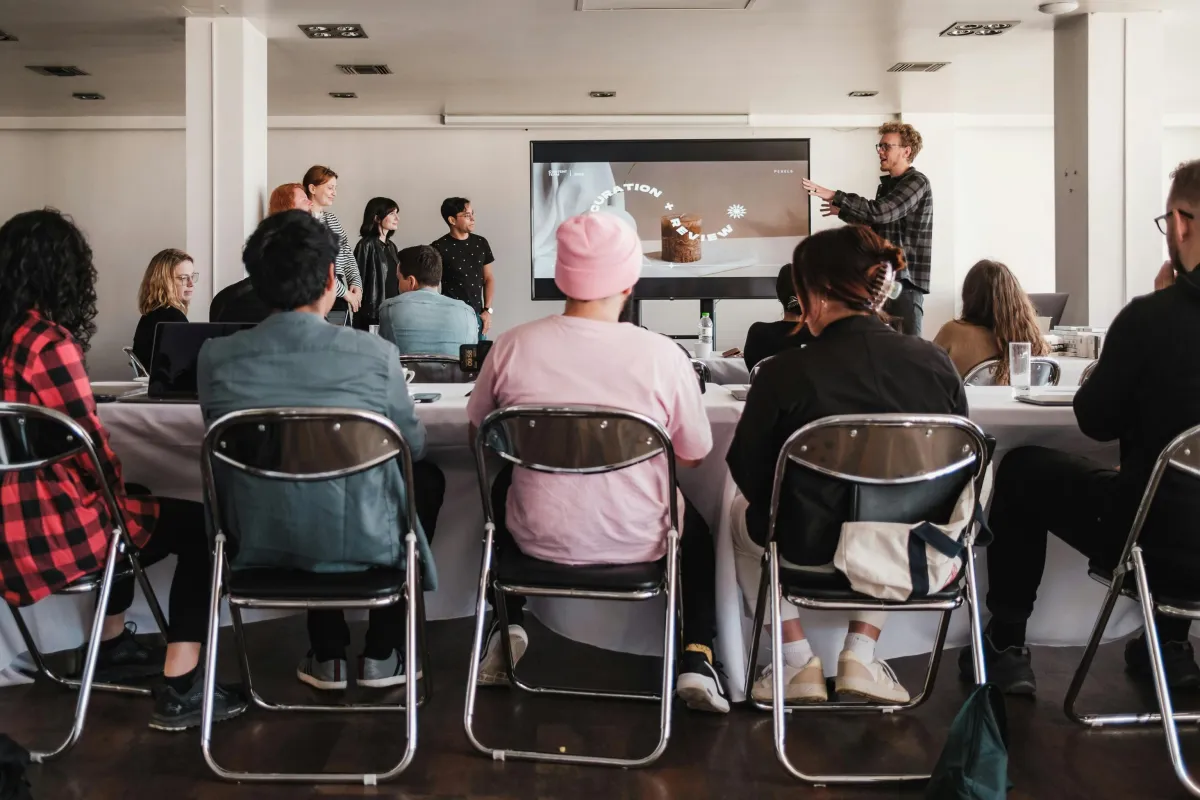
Photography Workshops and Courses: Learning from Experienced Photographers
Introduction
The value of learning from experienced photographers cannot be overstated, especially in the context of workshops and courses. These opportunities not only provide practical guidance but also foster mentorship, which can significantly enhance your photography skills. Whether you’re a professional photographer, a hobbyist, or someone simply looking to improve, finding the right course can make all the difference in your journey.
1. The Benefits of Learning from Experienced Photographers
Gaining Real-World Insights
Experienced photographers bring a wealth of knowledge gained from their careers. They share practical insights about industry trends, challenges, and best practices. I remember attending a workshop led by a seasoned photographer who shared stories about their early career struggles. It was inspiring to hear how they overcame obstacles, and it gave me valuable perspectives on my own journey.
Accessing Professional Techniques and Tips
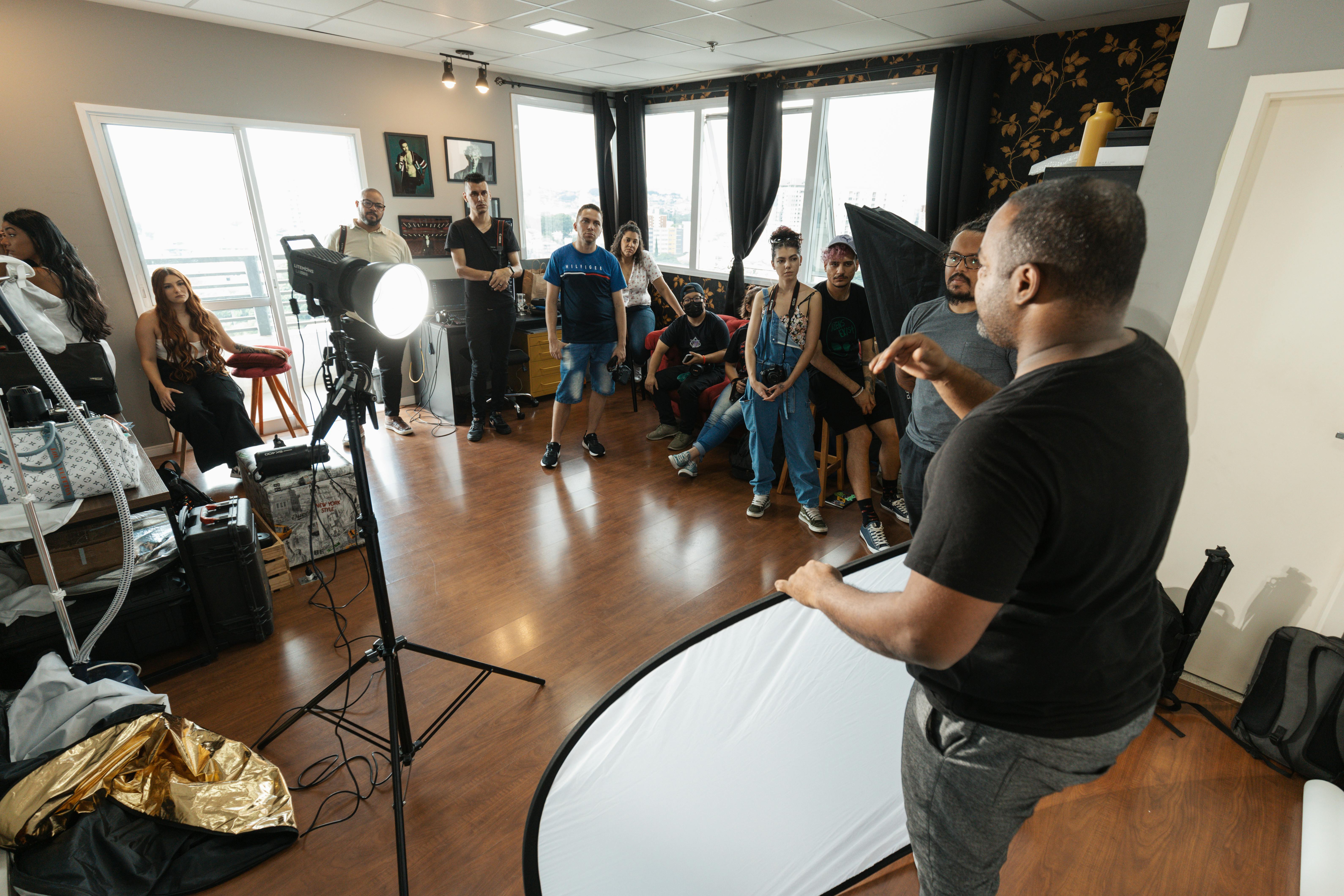
Seasoned photographers often impart specialized techniques that can elevate your work. Hands-on demonstrations, such as learning lighting setups or composition tricks, enhance understanding and retention of skills. I still refer back to techniques I learned in a lighting workshop—those practical sessions made a lasting impact on my approach to photography.
Receiving Constructive Feedback
Personalized critiques from professionals are invaluable for growth. Constructive feedback helps build confidence and fine-tune your skills. I once shared my portfolio during a workshop, and the feedback I received transformed how I approached my subject matter.
2. Types of Photography Workshops and Courses

Intensive Workshops
Immersive workshops focus on specific skills or topics, such as lighting or portrait photography. These in-depth learning experiences are essential for skill enhancement.
Masterclasses
Masterclasses led by renowned photographers provide insights into advanced techniques and industry practices. Learning from established experts can be a game-changer for your photography.
Online Courses
Online courses offer flexible learning options from experienced photographers, making them accessible for those who can’t attend in-person workshops. I’ve found online courses incredibly convenient for fitting learning into my busy schedule.
3. Finding the Right Workshop or Course
Researching Photographers and Their Backgrounds
Identify experienced photographers with expertise relevant to your interests. Assess their portfolios and teaching styles to ensure a good fit.
Reviewing Course Content and Structure
Examine the curriculum to ensure it aligns with your learning objectives. Look for workshops that include hands-on practice and interactive sessions for a more engaging experience.
Checking Availability and Format
Consider the logistics of the course, including its format—be it in-person, online, or hybrid. Assess your schedule to ensure you can commit to the learning experience.
4. Engaging in the Learning Process

Actively Participating in Workshops
Engage fully in discussions, activities, and critiques. Networking with instructors and fellow participants can provide additional support and collaboration opportunities.
Practicing Techniques Learned
Apply new techniques immediately after learning them to reinforce your skills. I set aside time after each workshop to practice what I learned, which helped solidify the concepts.
Seeking Ongoing Guidance
Stay in touch with instructors for mentorship beyond the workshop. Following up with questions or seeking additional resources can enhance your learning experience.
5. Implementing What You Learn
Developing a Personalized Practice Routine
Create a practice schedule that incorporates new techniques and skills. Consistency is key to developing your photography skills over time.
Building a Supportive Community
Connect with fellow workshop participants to foster continued learning. Joining photography groups or online forums can provide valuable insights and a sense of camaraderie.
Showcasing Your Work
Apply your learned skills to personal projects and portfolios. Sharing your work on social media and photography platforms can help you gain feedback and further refine your style.
6. Success Stories and Testimonials
Photographers Who Have Benefited from Workshops
Many photographers have transformed their skills through workshops. I’ve heard numerous success stories about how specific courses contributed to their growth and success in the industry.
Key Takeaways from Experienced Instructors
Seasoned photographers often share valuable lessons during workshops. Implementing these insights into your own practice can lead to significant improvements in your work.
Conclusion
In conclusion, learning from experienced photographers through workshops and courses is crucial for enhancing your skills and creativity. The mentorship and practical guidance offered in these settings can elevate your photography to new heights. I encourage all photographers—whether you’re just starting or looking to refine your craft—to actively seek out learning opportunities that align with your goals. Investing in your education is an investment in your future as a photographer.
If you’re a photographer looking for information on how to take your business to the next level visit https://photography.the302co.com/photographybusinesshelp-intro.
Subscribe to get notified of new content. Be the first to find out!
