Photography Workshops and Courses: Online vs. In-Person Workshops
Introduction
Photography workshops and courses are gaining popularity as photographers seek to enhance their skills and creativity. With various formats available, choosing the right one to meet your individual learning needs and preferences is crucial. Whether you’re a professional photographer, a hobbyist, or someone just starting out, understanding the differences between online and in-person workshops can help you make an informed decision.
1. Understanding the Formats
Definition of Online Workshops
Online photography workshops typically include webinars, video tutorials, and virtual classes hosted on platforms like Zoom, Skillshare, or Udemy. These workshops allow you to learn from the comfort of your home, making them highly accessible.
Definition of In-Person Workshops
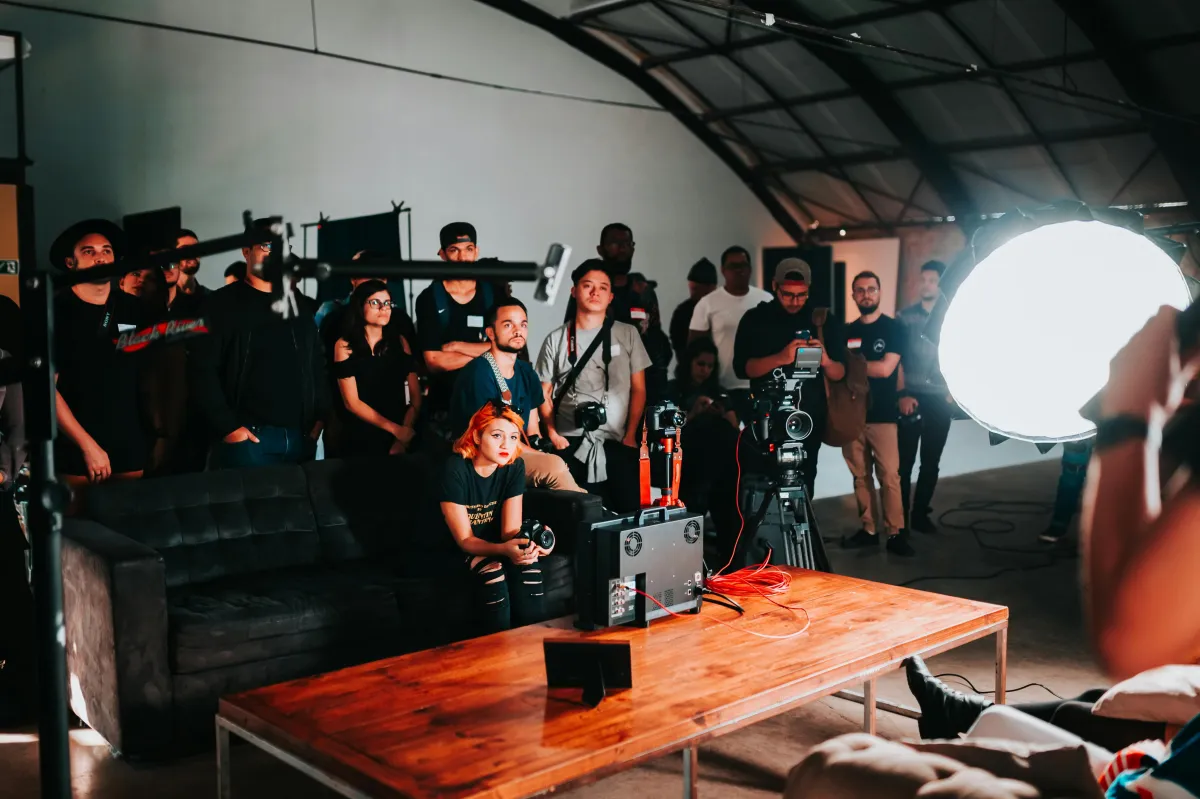
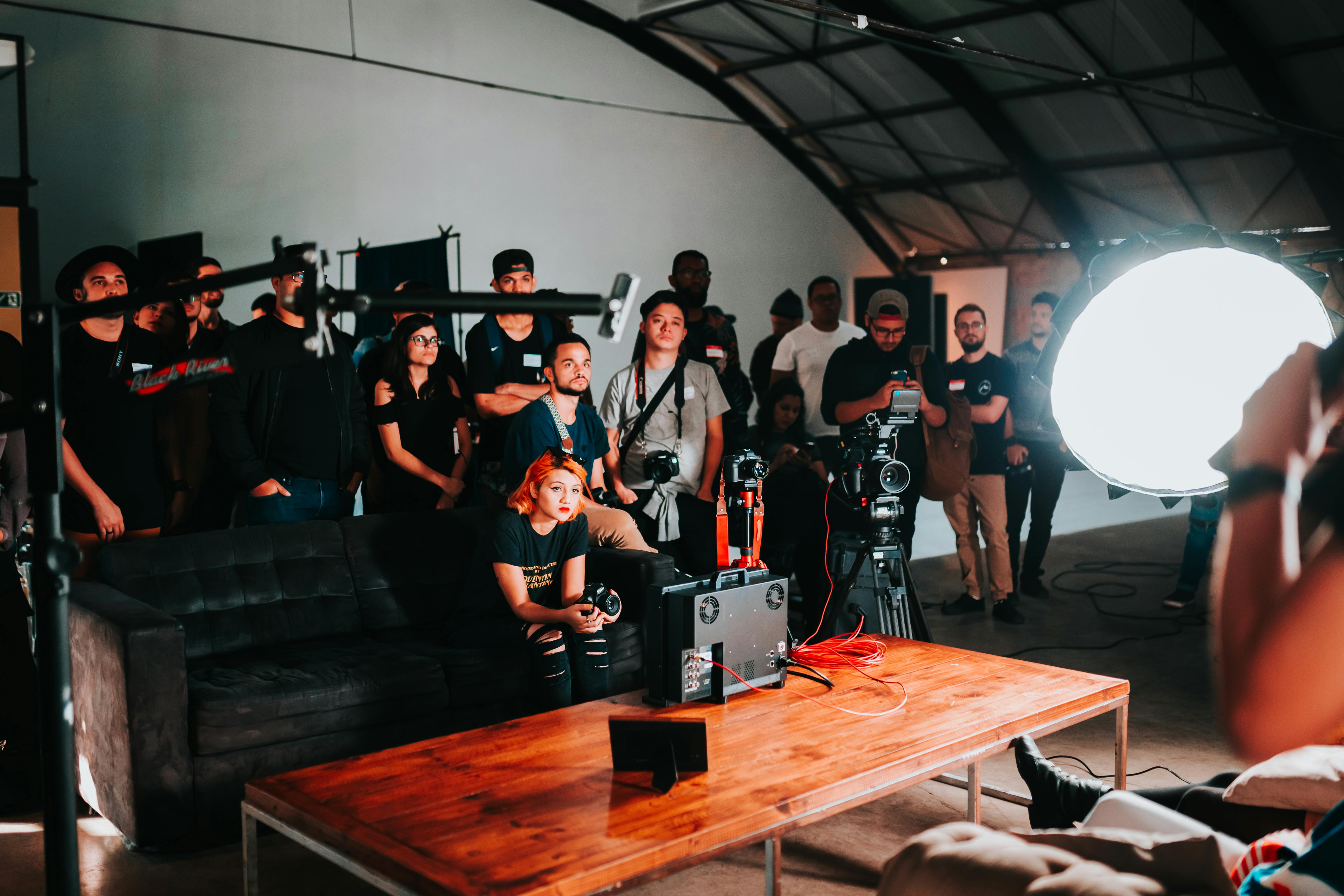
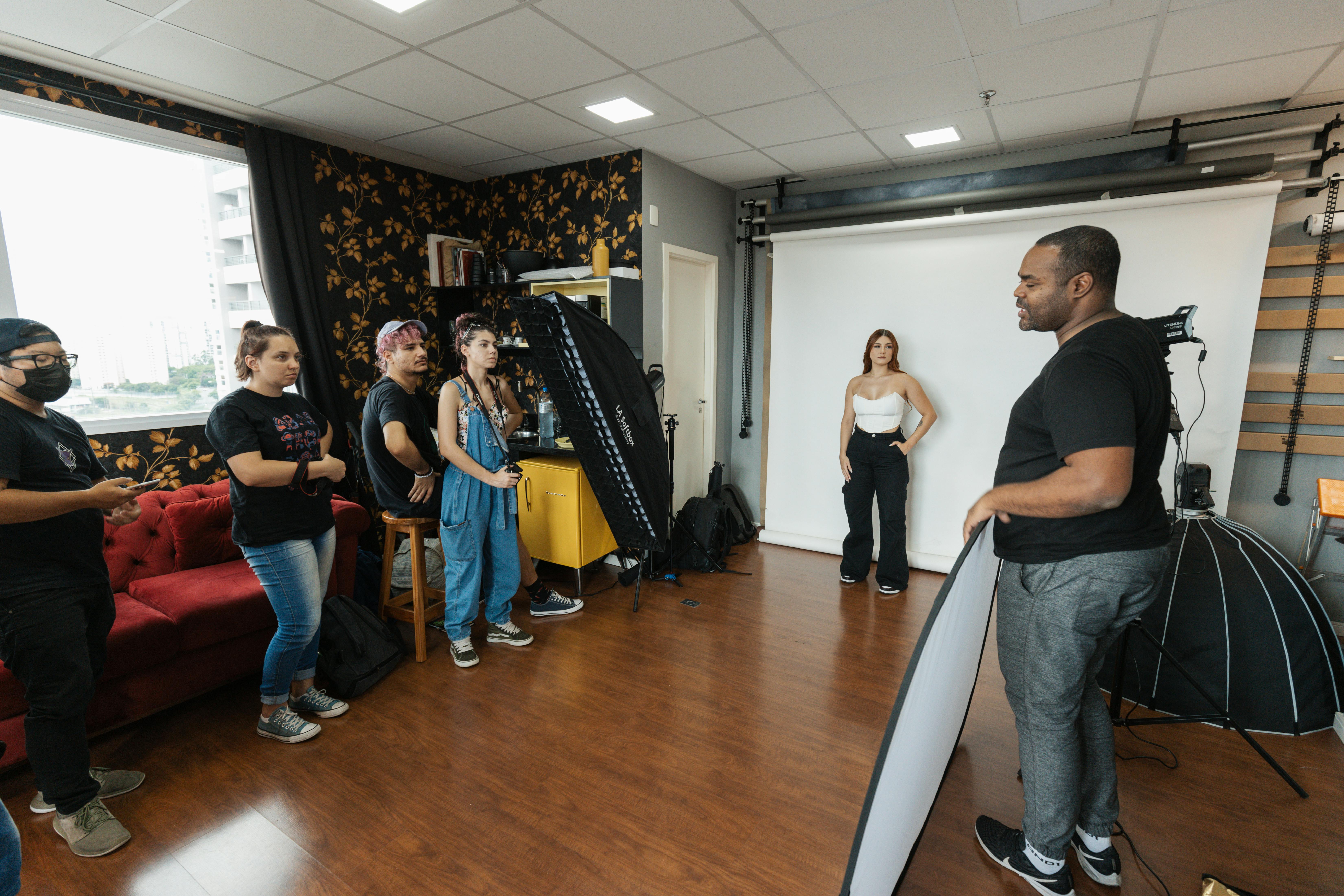
In-person workshops involve hands-on training, group sessions, and direct interaction with instructors. The location and venue play a significant role in these workshops, as they often take place in picturesque settings or studios that enhance the learning experience.
2. Pros and Cons of Online Workshops

Advantages of Online Workshops
Accessibility: Join from anywhere, removing geographical barriers.
Flexibility: Learn at your own pace and revisit materials as needed.
Cost-Effectiveness: Typically, lower costs due to reduced overhead.
Disadvantages of Online Workshops
Limited Hands-On Experience: Challenges in practical application without direct supervision. Workaround: Look for workshops that include interactive Q&A sessions or live critiques.
Distractions: Home environments can be distracting. Workaround: Create a dedicated study space and set specific times for focused learning.
Less Personal Interaction: Reduced opportunities for networking. Workaround: Join online forums or groups to connect with peers and instructors.
3. Pros and Cons of In-Person Workshops
Advantages of In-Person Workshops
Hands-On Learning: Direct practice and immediate feedback from instructors enhance the experience.
Networking Opportunities: Connect with other photographers in person, fostering valuable relationships.
Structured Environment: The focused setting minimizes distractions.
Disadvantages of In-Person Workshops
Geographical Limitations: Travel costs can be a barrier.
Time Constraints: Fixed schedules may not align with personal commitments.
Higher Costs: Tuition fees are typically higher due to venue and logistics.
4. Choosing the Right Format for Your Needs
Assessing Your Learning Style
Understanding whether you thrive in a structured classroom or prefer self-paced learning can guide your decision. Reflect on past learning experiences to identify what works best for you.
Considering Your Goals
Align your photography goals with the format that best supports them. For example, if you aim to master specific techniques, choose a course that provides focused, hands-on instruction.
Evaluating Availability and Commitment
Consider your schedule when choosing between formats. Assess how much time and effort you can commit to learning.
5. Hybrid Workshops: A Blend of Both Worlds
Overview of Hybrid Workshops
Hybrid workshops combine online and in-person elements, providing flexibility while maintaining hands-on experiences. This format allows for foundational skills to be learned online before applying them in person.
Advantages of Hybrid Workshops
Flexibility and Structure: Learn at your own pace online and then practice in a structured environment.
Broader Reach: Attract participants from various locations.
Enhanced Interaction: A dynamic learning experience that combines the best of both formats.
Disadvantages of Hybrid Workshops
Complex Coordination: Logistical challenges can arise in managing both formats.
Variable Engagement Levels: Ensuring equal participation across formats can be difficult.
6. Recommendations for Selecting Workshops
Researching Available Options
Thoroughly research workshop offerings, comparing course content, instructors, and formats before making a decision. Look for reviews and testimonials to gauge quality.
Reading Reviews and Testimonials
Seek feedback from previous participants to understand the quality and effectiveness of workshops. Both positive and negative experiences provide valuable insights.
Reaching Out to Instructors
Contact instructors with any questions about course structure and content. Establishing rapport helps ensure the workshop meets your needs.
7. Making the Most of Your Photography Course
Preparing for the Course
Prepare by reviewing relevant materials or practicing skills beforehand. Ensure you have the necessary equipment ready for hands-on sessions.
Actively Participating
Engage fully in discussions, activities, and critiques. Networking with fellow students can provide support and collaboration opportunities.
Implementing What You Learn
Practice and apply the skills and knowledge gained from the course in your photography. Ongoing practice is key to solidifying new techniques.
Conclusion
In conclusion, choosing the right photography course format is crucial for enhancing your skills and knowledge. Understanding the differences between online, in-person, and hybrid workshops allows you to select the option that best fits your learning style and goals. Investing in your education can lead to significant growth in your photography journey. Explore available workshops tailored to your needs and take the next step in elevating your craft.
If you’re a photographer looking for information on how to take your business to the next level visit https://photography.the302co.com/photographybusinesshelp-intro.
Subscribe to get notified of new content. Be the first to find out!
